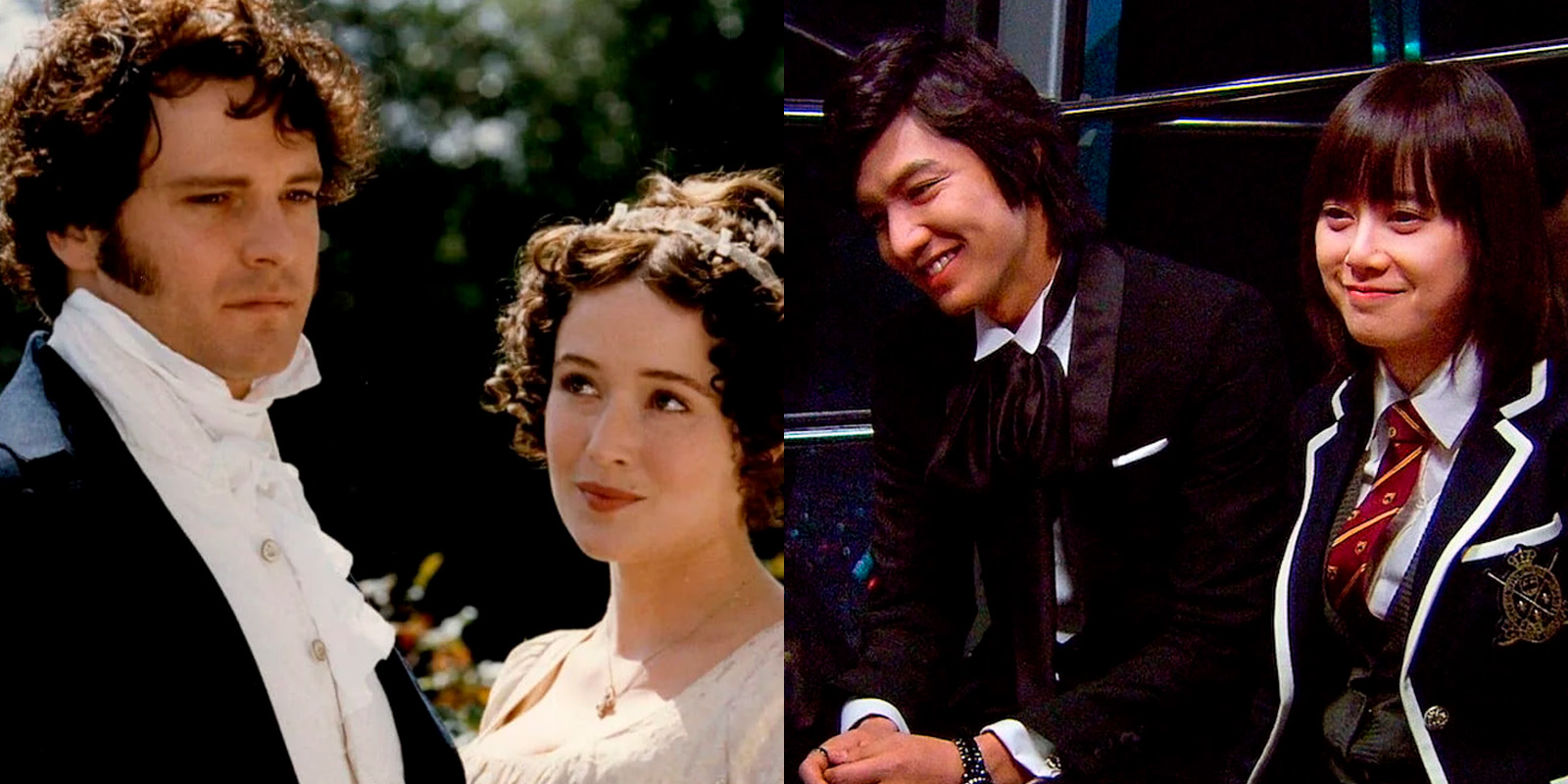
I am deeply passionate about British novels set in the Victorian era. Jane Austen, Georgette Heyer, Shakespeare, Charles Dickens, the Brontë sisters… I find them all magnificent. And my particular weakness for Jane Austen has led me to read and re-read her novels, as well as watch every screen adaptation — series and films — many times over.
Then the pandemic arrived, and after once again revisiting all of her works, I stumbled upon her Korean counterpart: F4 Boys Over Flowers.
And, as Jane herself might say, “what a happy encounter.”
The F4 (Boys Over Flowers) series is world-famous across the East. It originated from the Japanese manga Hana Yori Dango by Yoko Kamio and became such a phenomenon that multiple adaptations were produced in Japan, Taiwan, Korea, China and Thailand. Its popularity even reached the United States, where an attempted adaptation ultimately failed. Perhaps this story simply works better when told through an Eastern sensibility.
Getting to the heart of the matter, I don’t know what inspired Yoko Kamio when she drew the first panels, but the plot and characters undeniably share a strong resemblance and narrative synergy with Pride and Prejudice.
The tale of a poor girl caught in a love–hate relationship with a domineering rich boy has been told many times, in many forms. The first to tell it was Jane Austen in Pride and Prejudice — and it remains just as relevant today.
The story works everywhere:
Boys Over Flowers (East) vs Pride and Prejudice (West).
It’s a narrative that refuses to age. The clothes change, the country changes, the era changes… but the core remains the same: a strong-willed “poor” girl and a proud male protagonist, born to inherit an empire, who mistakes power for character. A direct clash that slowly turns into attraction, growth and — sometimes — redemption.
It is no coincidence that Pride and Prejudice and Hana Yori Dango / Boys Over Flowers are the two most frequently adapted stories in their respective worlds.
Pride and Prejudice, by Jane Austen, was first published on 28 January 1813 (United Kingdom).
Hana Yori Dango (Boys Over Flowers), by Yoko Kamio, began serialisation in October 1992 in Margaret magazine (Shueisha).
The centuries between them are striking, but they also explain something essential: Austen dissects society, while Hana Yori Dango translates that same conflict into pop language — schools and universities, economic elites, group dynamics and social pressure.
1) Class conflict as the emotional engine
In both stories, status determines reputation, marriage and future. In neither case does the heroine aspire to that world — she challenges it.
2) A male lead raised to rule an empire
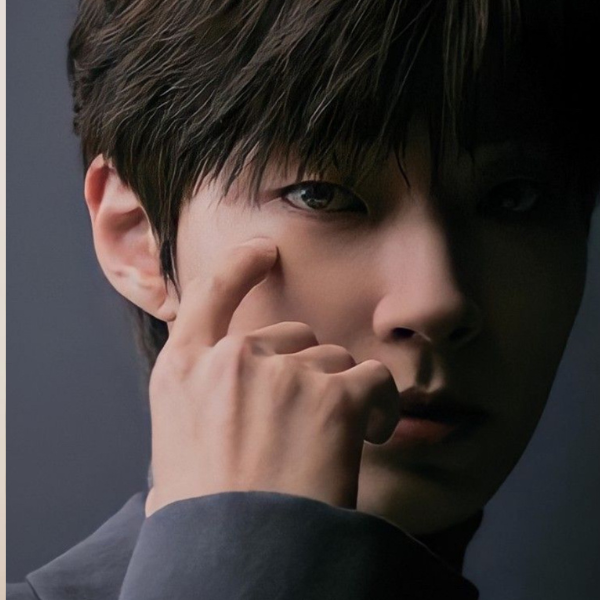
Darcy and the F4 leader (Domyouji / Jun Pyo / Dao Ming Si / Thyme…) share the same foundation: privilege, pride and emotional clumsiness. Accustomed to the world bending to their will, they are shaken by the one person brave enough to stand up to them. The goal is not merely to “win her over”, but something far harder: to learn to see her as an equal.
3) The second man who seems like the “better choice”
In Austen, Wickham represents easy charm and self-deception. In Boys Over Flowers, the second lead often symbolises safety, tenderness and emotional refuge. The romantic tension isn’t just about who she chooses, but what kind of love she is choosing: the one that flatters, or the one that transforms.
4) The heroine as moral compass
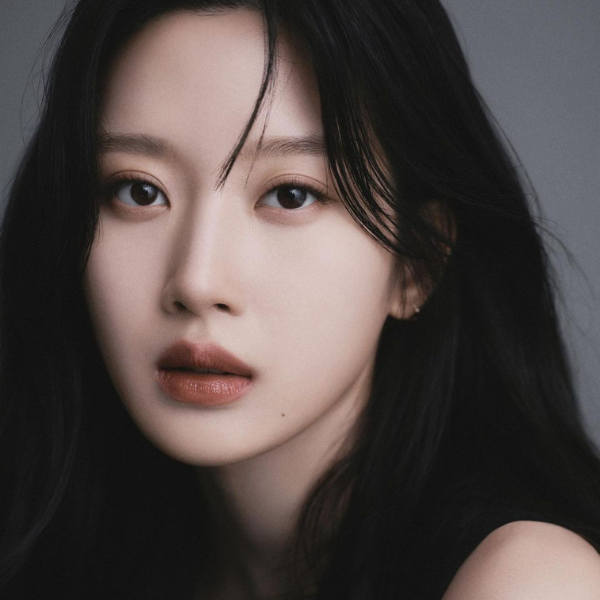
Elizabeth Bennet and Makino / Jan Di / Shan Cai / Tham / Tsukushi embody the “no” no one expects to hear. That is precisely why they captivate: they refuse to sell themselves, even at great personal cost. The male lead can buy almost anything in this world — except her.
5) Arranged marriages and power alliances
In both stories, the male protagonist is destined for another woman in a marriage designed to unite wealth, families or empires. In both cases, choosing the heroine is the worst possible option: she is inconvenient, she doesn’t love him, and she rejects him repeatedly.
6) Unbreakable resolve
They must persevere relentlessly to earn her attention. But once they win her heart, the decision becomes absolute. The tables then turn: it is she who must prove herself to the world and demonstrate that she is worthy of standing beside him.
1) Intent: social satire vs pop melodrama
Austen writes a novel of manners, driven by sharp dialogue, constant irony and subtle yet devastating social critique.
Boys Over Flowers is born from shōjo manga: emotional intensity, extreme plot twists, stark rivalries and high-voltage storytelling designed to captivate.
2) Violence and tone
Pride and Prejudice wounds through social rules — humiliation, family pressure and the suffocating weight of reputation.
Boys Over Flowers, by contrast, often includes bullying, coercion and cruel “tests”. The conflict is more physical, more explicit and far more direct.
3) Romantic agency
Elizabeth Bennet chooses with a clarity that still feels remarkably modern today. Her words, written over two centuries ago, could easily be spoken by a 15-year-old girl now. It is a book that does not age.
In Boys Over Flowers, however, depending on the adaptation, the heroine sometimes resists, sometimes endures and sometimes gives in through sheer narrative exhaustion. As a result, each version ages differently: some feel empowering, others very much “of their time”. The version that has aged the worst, without question, is the Korean one.
Because it is a romance — but also a human portrait: pride, prejudice, mistakes and second chances. Austen perfected three things that never fail:
A brilliant protagonist (not perfect, but alive).
A story that works without historical context (though it gains depth with it).
Dialogue that adapts effortlessly to theatre, cinema, television, modern retellings and romantic comedy — and still feels true.
That is why it never stops being reinvented. New adaptations are constantly in development, and the Austen phenomenon continues to grow within popular culture.
Because it is a universal template packed with irresistible television ingredients:
Aspirational fantasy (luxury, elites, uniforms, mansions).
Addictive pacing (cliffhangers and constant conflict).
Clear archetypes (the brave girl, the leader, the gentle one, the rebel, the strategist).
Total cultural adaptability: change the country, education system, romantic codes or social context — the story still works.
Every generation wants its own version: one that fits its idea of romance, humour and boundaries.
Over a dozen film and television adaptations.
Several iconic miniseries.
Endless modernisations and reinterpretations.
Undoubtedly Jane Austen’s most adapted work.
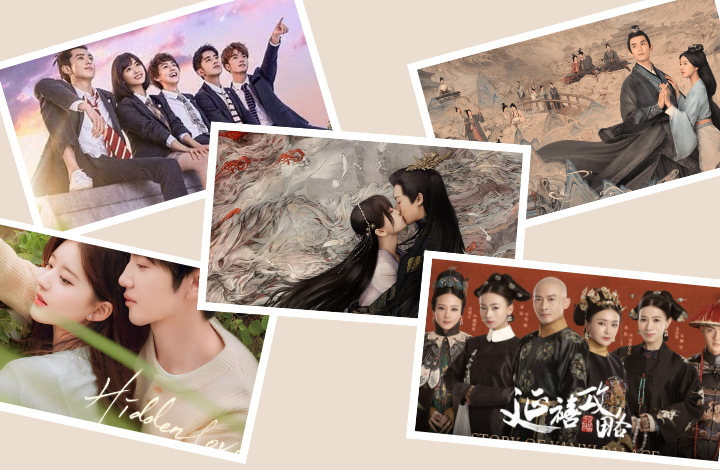
Five major global versions: Taiwan (2001), Japan (2005), Korea (2009), China (2018) and Thailand (2021).
Multiple sequels and reboots.
Broadcast and dubbed in dozens of countries.
A global phenomenon of Asian entertainment.
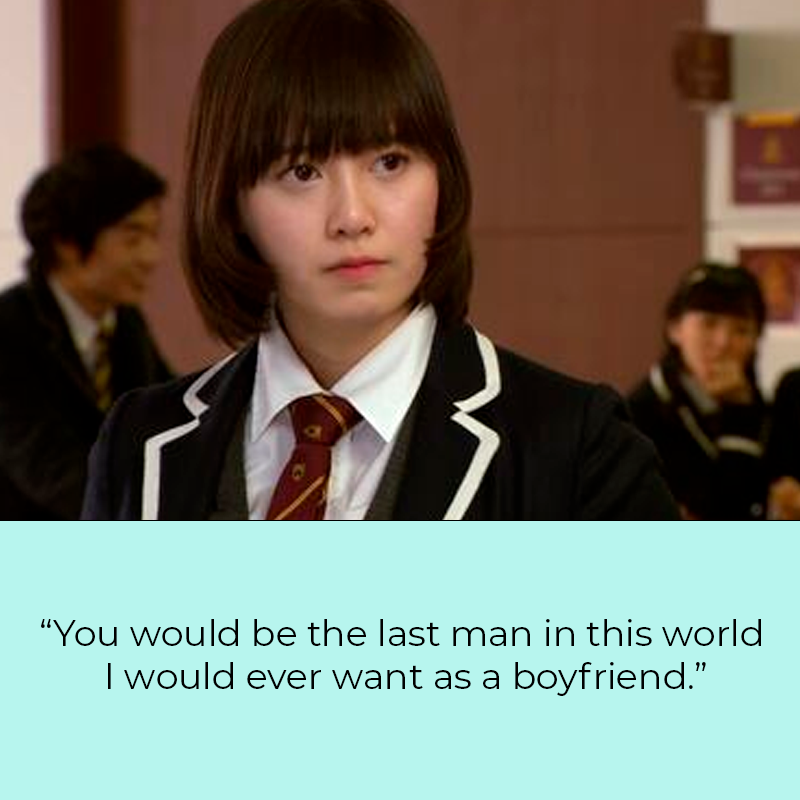
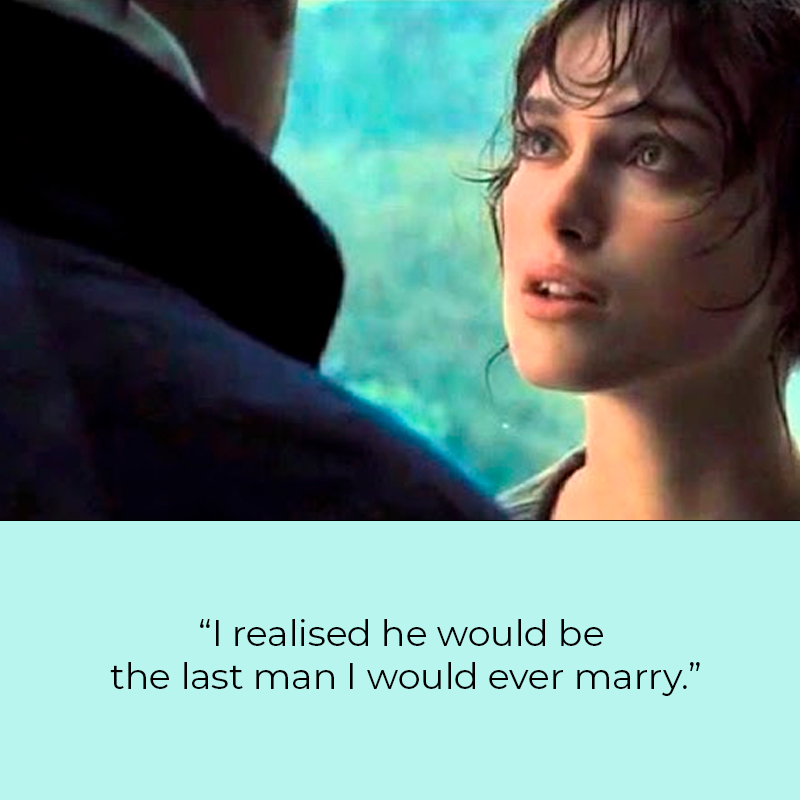
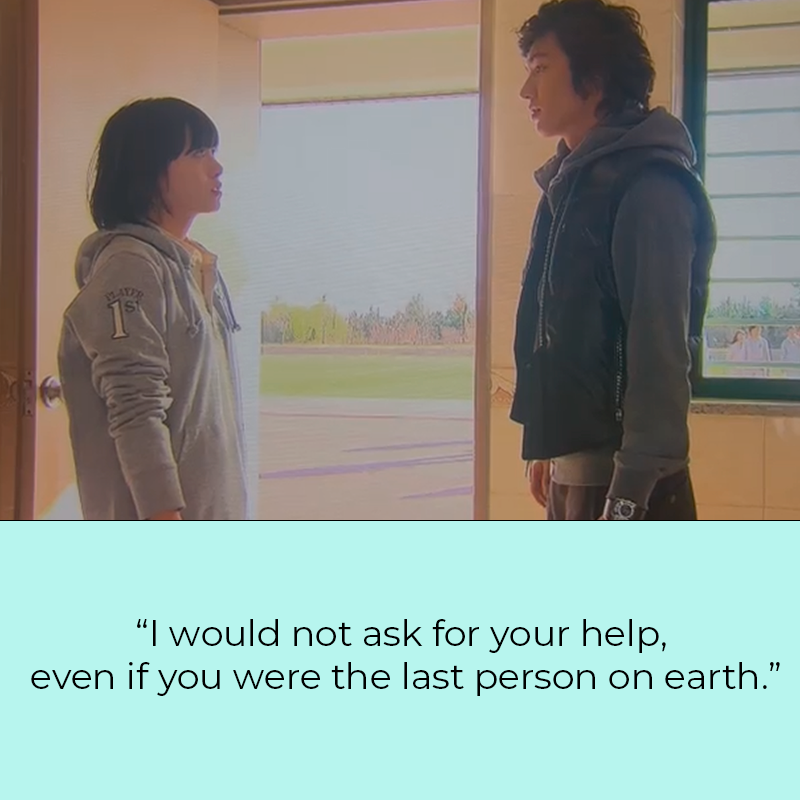
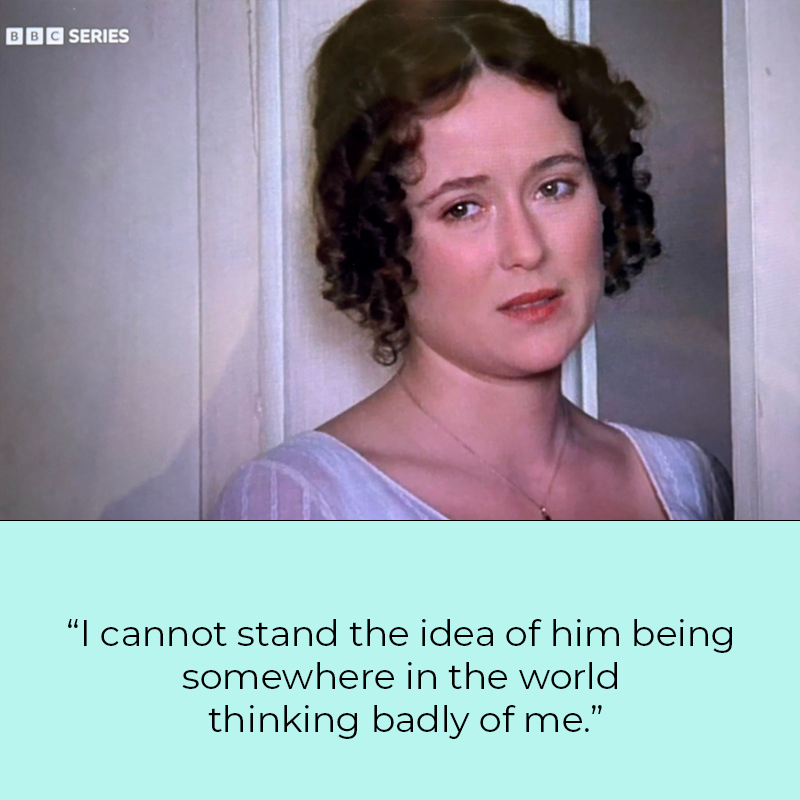
Even the scenes repeat themselves. The same things are said; the characters feel the same emotions.
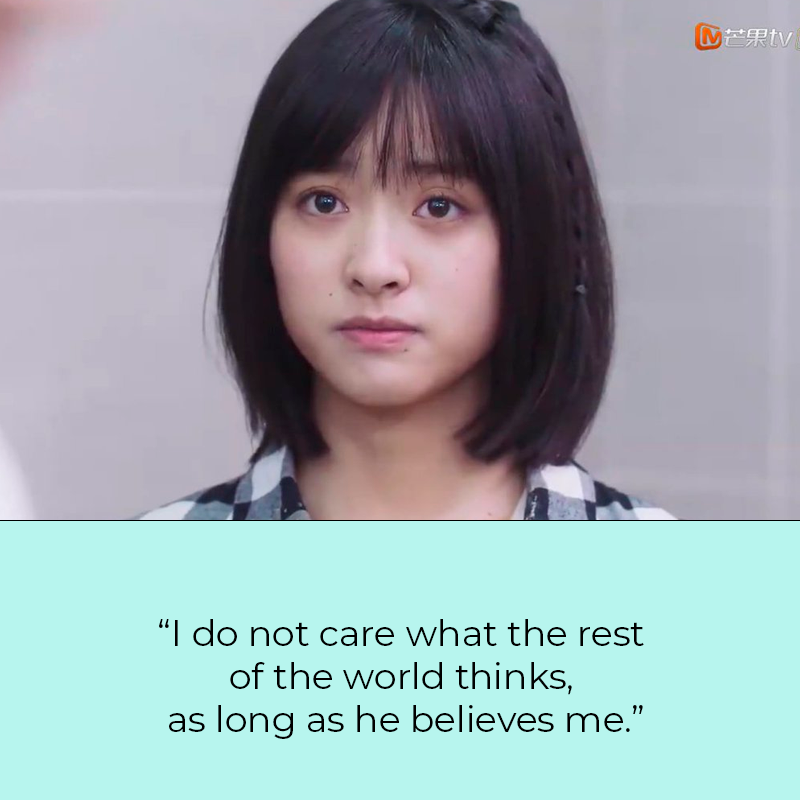
Rejection unfolds in almost identical ways. The female protagonist experiences that quiet pain of imagining that he may be thinking badly of her somewhere in the world. Eventually, everyone else’s opinion fades away — only his matters.
The moment also repeats when the male lead demands an explanation for why she doesn’t love him. He cannot understand it: he’s rich, handsome, famous — he has everything. How could she not fall for him?
And there is always that moment of doubt when the heroine is asked whether she has ever truly thought about him, whether she considers him a good man. That insecurity — the fear of not being a good person — torments the male protagonist, who suffers at the idea that she might not see him in a positive light.
Pride and Prejudice and Boys Over Flowers endure because they speak to something universal:
what happens when love collides with pride… and when a woman dares not to fit in.
Austen told it with irony and social precision.
Boys Over Flowers transformed it into a romantic storm and a pop-culture phenomenon.
Two styles, two cultures, two centuries apart — and the same universal obsession: being truly seen by someone who, at first, didn’t know how to look.
Now it’s your turn.
Are you more Darcy or Domyouji?
Which Boys Over Flowers version marked your life?
Do you think these stories are still romantic… or problematic?